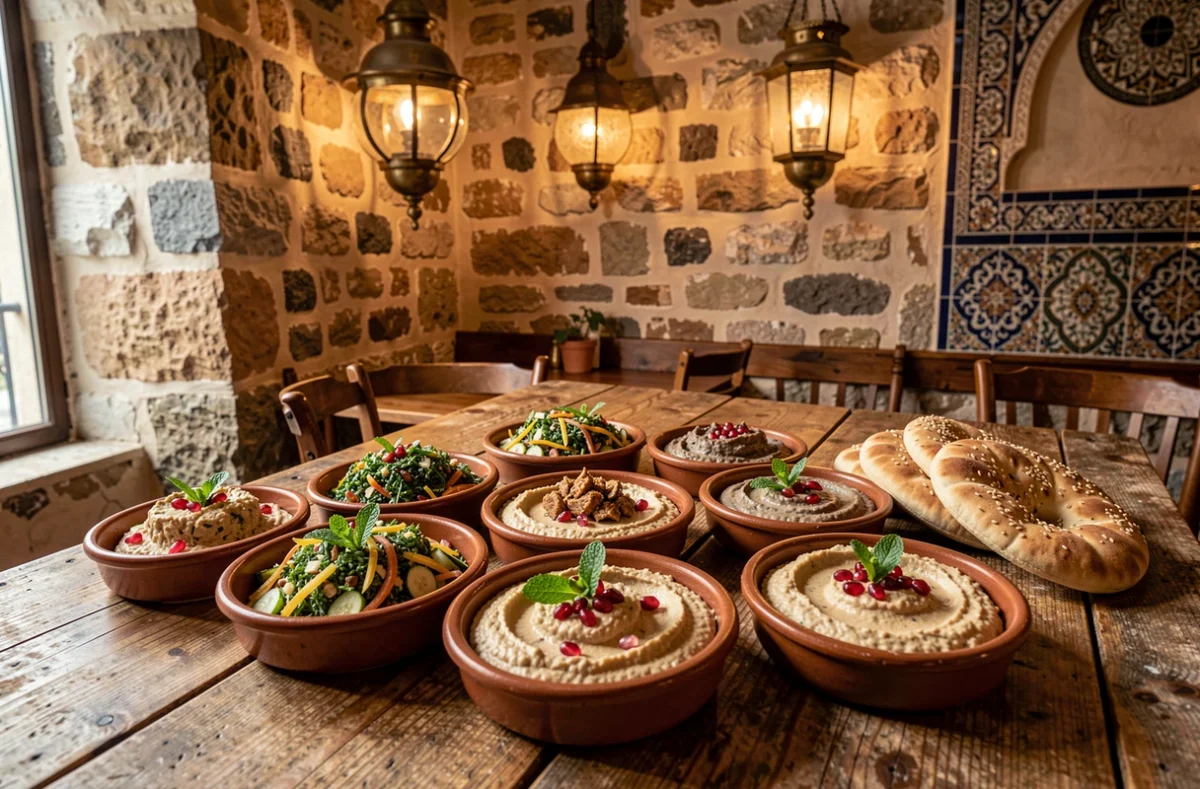
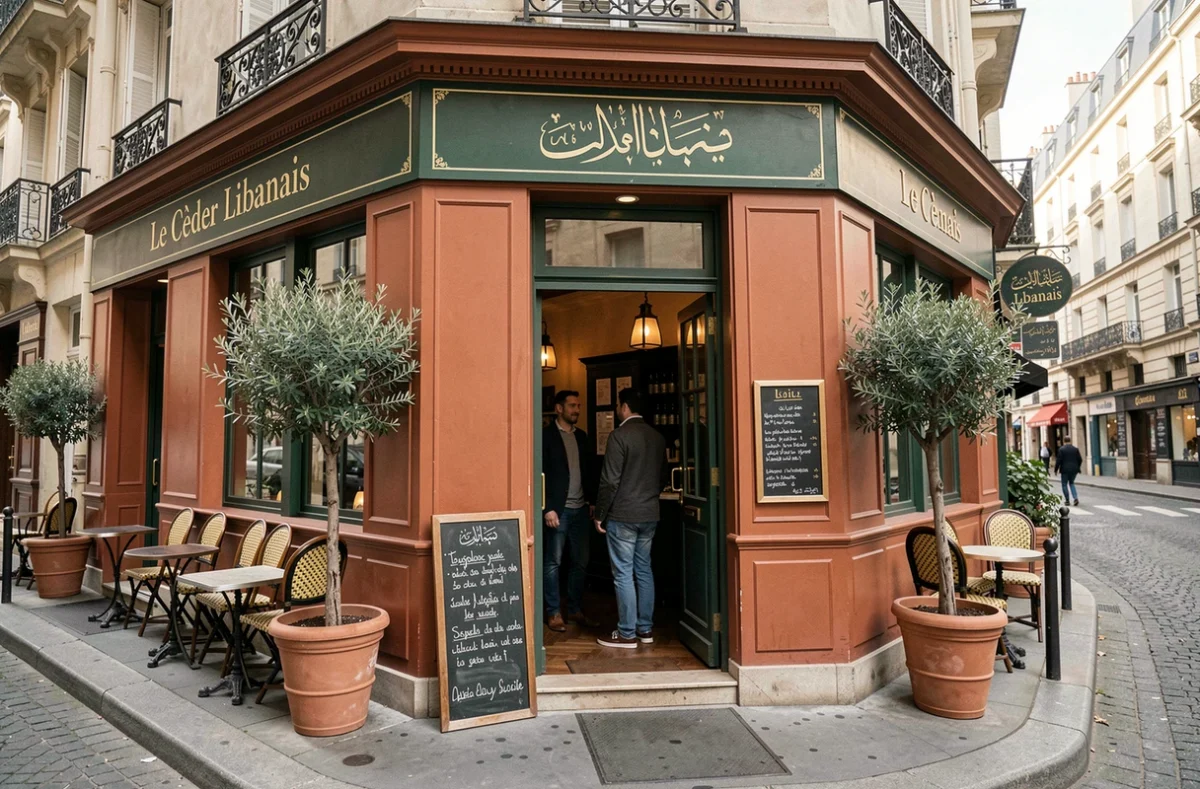
When looking for a Lebanese restaurant in Paris that offers halal cuisine without compromising on taste, the choice can quickly become a puzzle. Le Cedre, located on rue Mouffetard since the late 1990s, is one of the addresses that frequently comes up in recommendations. Halal cuisine, generous mezzés, and authentic Eastern flavors: this is what sets this restaurant apart from dozens of other Lebanese restaurants in Paris.
Halal Guarantee and Traceability of Lebanese Dishes on Rue Mouffetard
In the Parisian restaurant scene, the “halal” label covers very variable realities from one establishment to another. At Le Cedre, the approach goes beyond a simple sticker in the window. The meats served (lamb, chicken, beef) adhere to ritual slaughter, and the recipes avoid any ingredients incompatible with Islamic dietary requirements.
The consistency between technical sheets and the dishes served is a crucial trust criterion. Recent inspections in the restaurant industry focus on real traceability, meaning the correspondence between what is advertised on the menu (marinades, sauces, garnishes) and what arrives on the plate. For a customer concerned about halal, this rigor in the kitchen provides a much stronger guarantee of trust than a mere declaration of intent.
If you want to learn more about the menu and culinary approach, Le Cedre Lebanese in Paris is the subject of a detailed profile that describes the specialties offered and the ambiance of the place.
Mezzés, Grilled Dishes, and Vegetarian Options: Decoding the Cedre Menu
The menu of a Lebanese restaurant is primarily judged by its mezzés. At Le Cedre, these small plates to share are at the heart of the experience. Hummus, tabbouleh, eggplant caviar, stuffed vine leaves: each mezzé is prepared with fresh products, without resorting to industrial bases.
Why this choice for freshness? Because Lebanese cuisine relies on a balance of textures and flavors that ready-made preparations do not replicate. Homemade hummus has a creaminess and a roasted sesame flavor that no vacuum-packed version can match.
Charcoal Grills
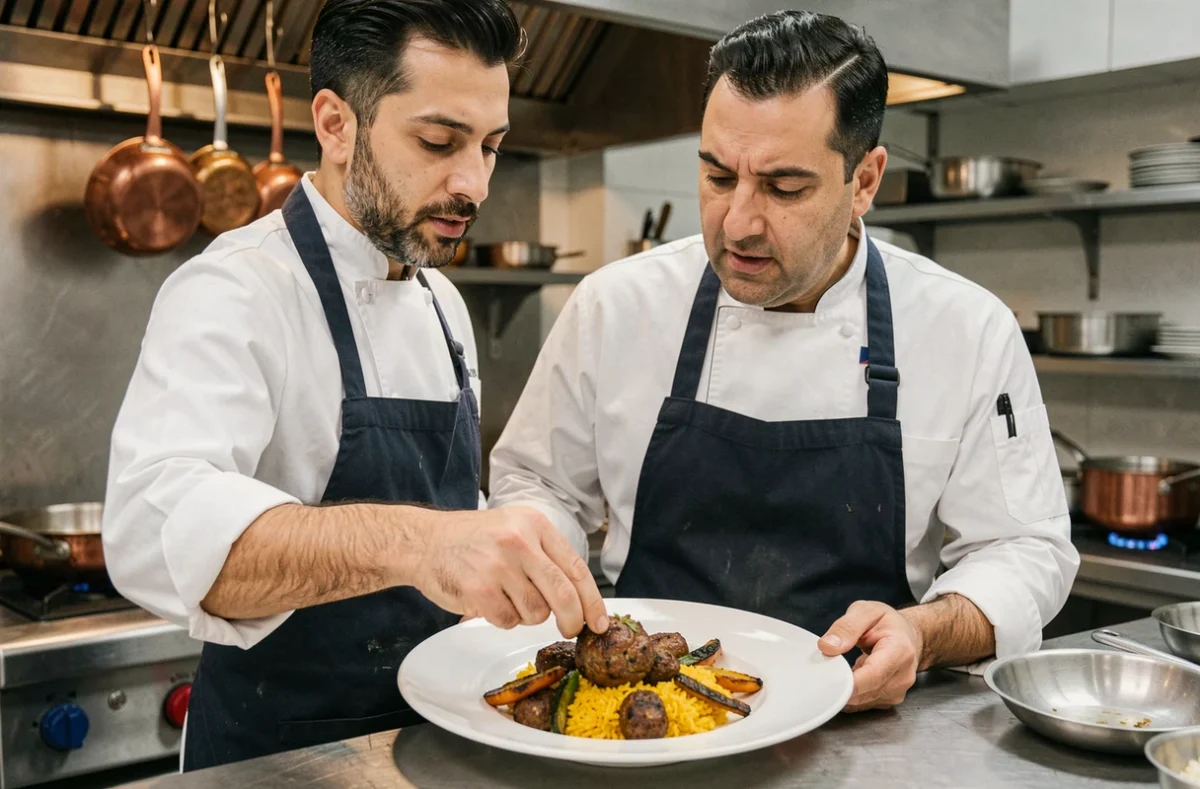
Grilled dishes represent the other pillar of the menu. Skewers of marinated meat, shawarma sliced to order, spiced kafta: the charcoal grilling gives the meats a characteristic smokiness. This cooking method requires precise know-how to achieve meat that is tender on the inside and slightly caramelized on the surface.
A Often Underestimated Vegetarian and Vegan Offer
Lebanese cuisine is one of the few Mediterranean gastronomies where vegetarian dishes are not a “Plan B.” Falafels, moutabal, fattoush, rice with vermicelli: the vegan options cover a real part of the menu, not just a simple note at the bottom of the page. For those accompanying a group without sharing the same dietary habits, this is a concrete advantage.
- Hummus, moutabal, and eggplant caviar: three fully vegan mezzés, rich in plant protein and served with warm Lebanese bread.
- Falafels fried to order: the crispy texture directly depends on the freshness of the chickpea dough, prepared daily.
- Lebanese tabbouleh (made with parsley, not bulgur): the authentic version mainly contains fresh herbs, with very little bulgur.
- Fattoush: a crunchy salad with toasted bread and sumac, a tangy seasoning typical of Lebanon.
Allergens in Lebanese Restaurants: What Regulations Require
You order a dish in a Lebanese restaurant and are allergic to sesame or nuts. How can you know if your plate is safe? The law requires each restaurant to provide written information on regulatory allergens. The restaurant may refer to a document available on-site rather than detailing each allergen directly on the menu.
In Lebanese cuisine, the most common allergens are sesame (ubiquitous in tahini and hummus), nuts (pine nuts in some dishes), gluten (Lebanese bread, bulgur), and dairy products (labneh, halloumi). Asking for the allergen sheet before ordering is not a whim: it is a right, and a good restaurant provides it without hesitation.
Halal Lebanese Catering Service for Events in Paris
Le Cedre also offers catering services, which deserves special attention. Ordering mezzés for a professional or family event raises questions that simply dining in a restaurant does not.
Catering delivery packaging is now subject to the extended responsibility of the producer since March 2024. Containers, bags, disposable cutlery: the restaurateur must participate in a waste management system for packaging. For the customer, this means that containers are gradually evolving towards recyclable or reusable materials.
The quality of a Lebanese catering service is measured by three concrete criteria:
- The freshness of the mezzés upon arrival: hummus or tabbouleh prepared several hours in advance loses texture and flavor.
- Compliance with the cold chain for halal meat dishes, especially in summer.
- The ability to adjust quantities: a good Lebanese caterer adjusts portions to the actual number of guests, not to a standard grid.
According to online reviews, Le Cedre receives very positive feedback on this service, with orders ready on time and quantities described as generous.
Halal Lebanese cuisine in Paris is not just a marketing promise. It is based on concrete choices: sourcing compliant meats, fresh preparations, transparency on allergens. Le Cedre, on rue Mouffetard, has been applying these principles for over twenty years, which explains a rare customer loyalty in a neighborhood where competition is fierce.