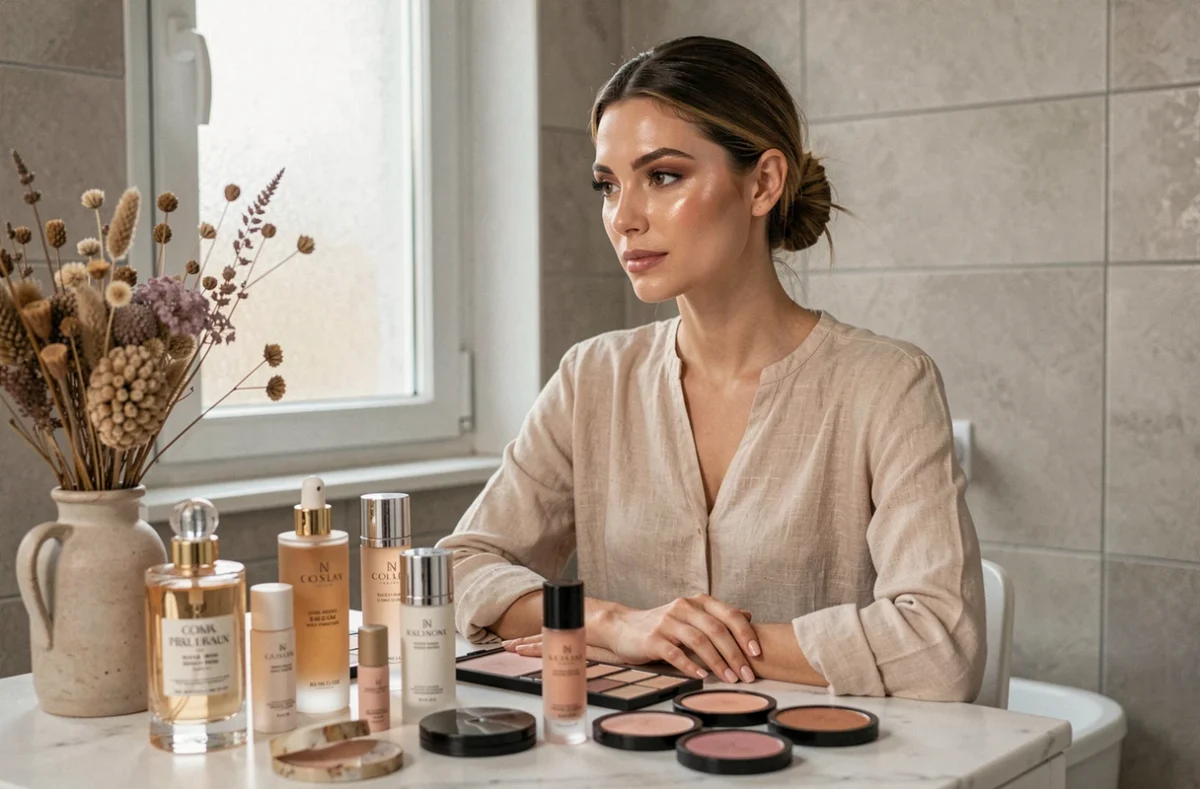
The beauty market is undergoing a rapid restructuring. Between European regulations imposing new formulation constraints and changing consumer habits leaning towards shorter routines, brands are deeply adjusting their catalogs. The beauty trends at the end of this year are not just about seasonal colors or trendy textures: they reflect structural, regulatory, and technological movements that are reshaping the available offerings on shelves.
Cosmetic Reformulation: What European Regulation Changes Concretely
Most beauty trend reports mention sustainability or clean beauty. What they rarely detail is the industrial timeline behind these words.
The European Union has initiated a gradual restriction on intentionally added microplastics in cosmetics. Deadlines vary by category: rinse-off products first, then leave-on products, and finally makeup, lip products, and nail products. For manufacturers, this means mandatory reformulations spread over several years, not just a simple marketing repositioning.
France, for its part, has taken a specific stance on PFAS in cosmetics. These per- and polyfluoroalkyl substances, labeled as “forever pollutants,” are subject to a national restriction that could foreshadow an extension at the European Union level.
This regulatory movement is pushing laboratories to rethink their formulation bases, including for products long considered stable. Following the latest news on Belle et Unique allows you to spot brands that have already integrated these constraints into their ranges.
For consumers, the direct consequence is an accelerated renewal of references. Textures, preservatives, and glide agents will disappear or be replaced. Reading the INCI list becomes a useful reflex, not a niche whim.
Shortened Beauty Routines: Skinimalism Beyond the Discourse
The reduction in the number of products in the daily routine is no longer a niche phenomenon driven by a few content creators. The majority of consumers report preferring routines with fewer than five products. This shift has direct repercussions on the design of skincare.
Brands are reformulating to concentrate multiple functions into a single product: a serum that hydrates, smooths, and protects replaces three distinct bottles. Field feedback varies on this point, as a multifunctional product does not suit all skin types. Reactive or acne-prone skin may need to separate certain actives to avoid interactions.
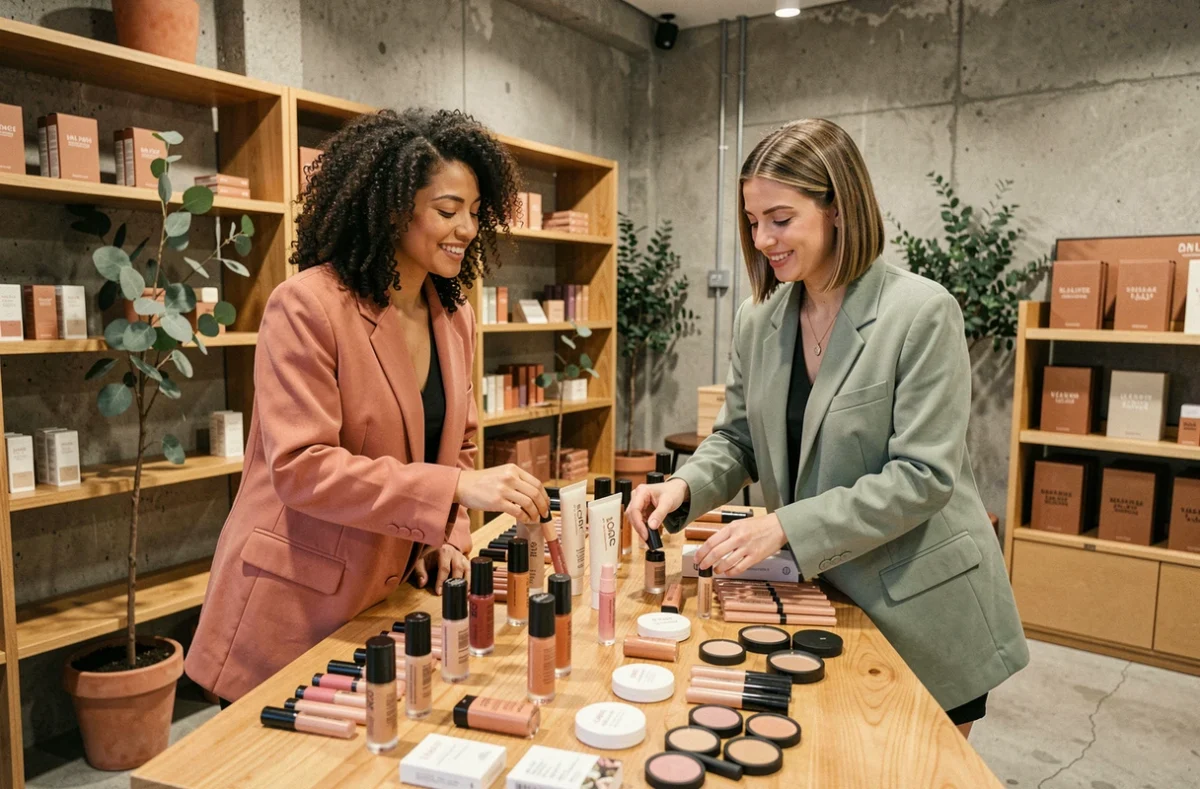
What is measurable, however, is the decrease in the average time spent on makeup. Modular formats (customizable palettes, multi-use sticks for face-lips-eyes) are gaining ground because they meet this demand for speed without sacrificing personalization.
Criteria for Evaluating a Multifunctional Product
- The concentration of key actives must be clearly indicated, not buried in a list of secondary ingredients
- A product claiming more than three functions deserves a test of at least two weeks before replacing an existing routine
- Compatibility with a separate sunscreen remains to be verified, as few multifunctional products offer sufficient SPF for prolonged exposure
K-beauty in 2026: From Virality to Purchase Action
Korean beauty has long been perceived as a social media phenomenon, fueled by videos of ten-step routines and playful packaging. Recent data shows a change in nature. According to the CJ Global K-Wave Consumer Survey, the shopping experience for Korean products improved in 2025, and global K-beauty sales have accelerated significantly over the past two years.
This conversion of curiosity into actual spending is changing the positioning of European distributors. Brands that previously offered only one or two Korean references in corners are expanding their ranges. Pharmacies and parapharmacies are incorporating Korean skincare into their dermocosmetic aisles, legitimizing these products to an audience that does not frequent TikTok.
The available data does not yet allow for a conclusion on whether this dynamic will maintain the same pace. However, the fact that K-beauty has transitioned from a viral trend to a structured market is an observable turning point.
Beauty and Health: The Blurring Line Among Young Consumers
An AlixPartners-CEW survey published in September 2026 highlights a phenomenon that goes beyond mere interest in skincare. The markets for beauty, health, and wellness are converging, and this convergence is particularly pronounced among young men.
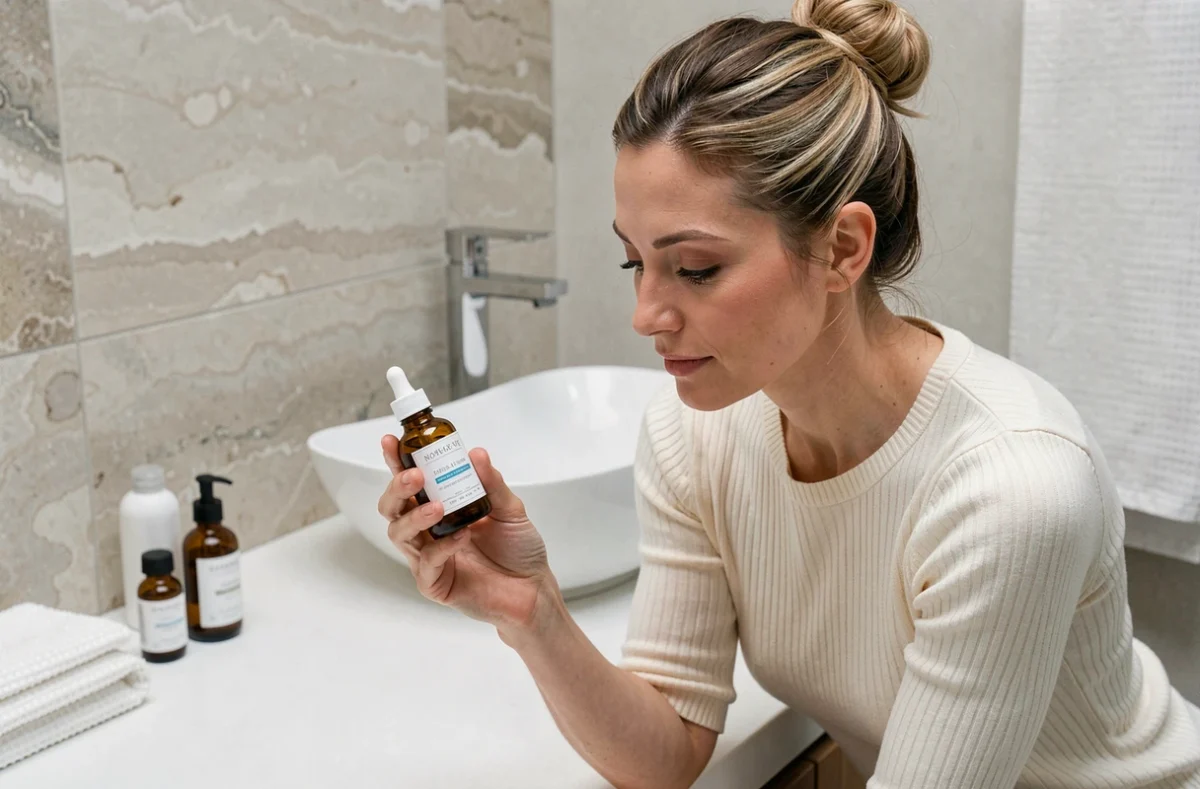
This segment, long considered secondary in the cosmetics industry, is investing in skincare with an approach that borrows from health vocabulary: skin protection, anti-aging prevention, recovery of the hydrolipidic barrier. Brands that capture this audience are reformulating their communications, moving away from pure aesthetic language to adopt a discourse focused on measurable results.
This survey also reveals a gap between the priorities of industry leaders and the actual expectations of consumers. The former are investing heavily in technological personalization (skin diagnostics via artificial intelligence, custom formulas), while the latter express more basic needs: effective, clear products that fit their budget.
- AI-driven personalization appeals to early adopters but remains marginal in sales volume
- “Visible results” products with documented actives (acids, peptides, retinol) dominate online searches
- Price remains the primary selection criterion for the majority of buyers, ahead of naturalness or technology
The beauty market in 2026 is defined less by its flagship products than by the forces reshaping it: regulatory constraints, conversion of viral trends into actual purchases, and a rapprochement with the health sector. The coming months will reveal whether technological personalization will find its audience beyond early adopters, or if consumer pragmatism will continue to favor raw efficiency and simplicity.