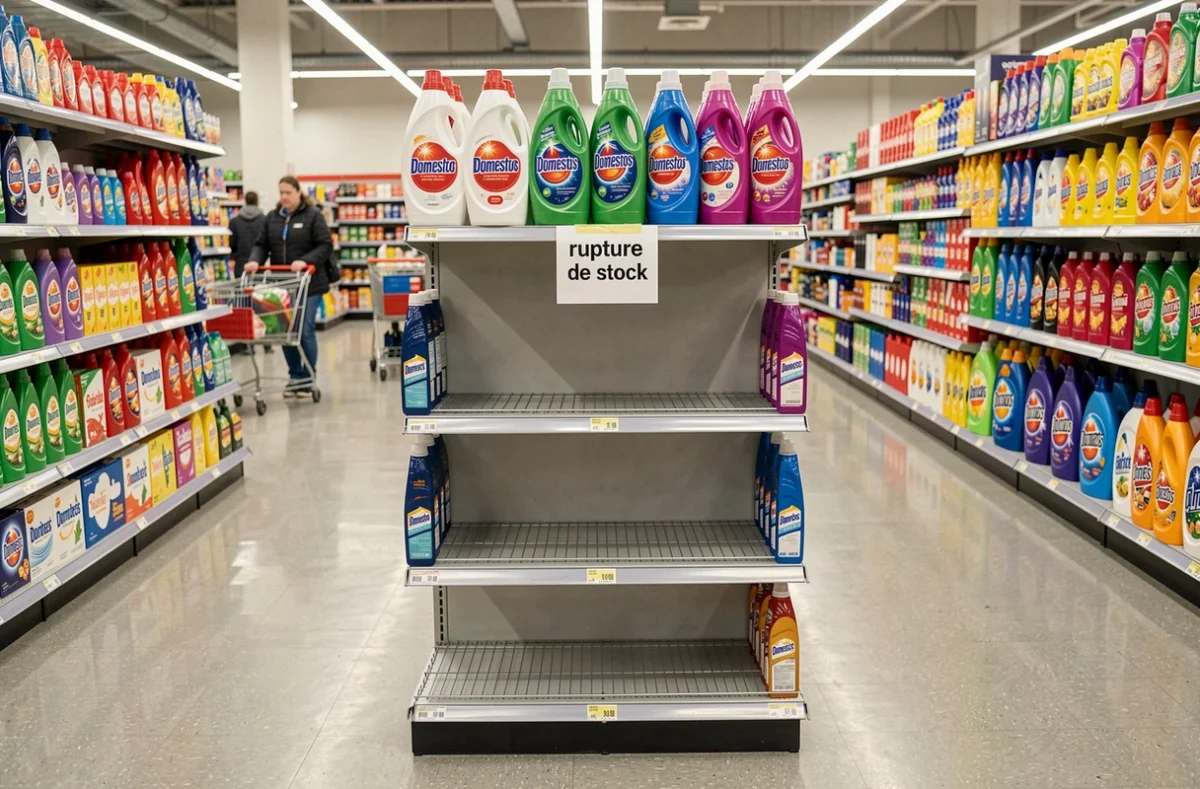
For several months, finding a bottle of Domestos on the shelves has sometimes felt like an obstacle course. This disinfectant product, marketed by Unilever and used in millions of households, has experienced episodes of unavailability that raise questions. The shortage of Domestos cannot be explained by a single cause, but by a combination of pressures affecting the entire cleaning products market in France.
Chlorine and raw materials: the crux of the matter for Domestos
Chlorine is the central active ingredient in most Domestos formulas. Its production relies on a heavy industrial process, electrolysis, which consumes a lot of energy. When electricity prices rise, the cost of producing chlorine follows the same trend.
This mechanism has a direct effect on manufacturers’ margins. Unilever, like other industry players, must decide between absorbing the increase and passing the extra cost onto the shelf price. When production becomes less profitable for certain products, the volumes produced may be temporarily reduced.
It is also important to distinguish between the different product lines. A document from ANSES dated April 2023, for example, concerns Domestos Zero Limescale, a hydrochloric acid-based product subject to a specific biocide authorization procedure. Each formula has its own regulatory pathway, and a change in authorization can slow down the market launch of a specific product without affecting others.
To better understand the causes of the Domestos shortage, one must look beyond the supermarket aisle and trace back to industrial chemistry.
Inflation and the shift towards private label brands in France
The observation is shared by the majority of French consumers: the shopping cart costs more than before for fewer products. This inflationary pressure has direct repercussions on brands like Domestos.
Consumers are massively turning to private label brands when they offer credible alternatives. With supermarket prices having significantly increased, budgetary decisions are made at the expense of major brands, particularly in categories where products are easily substitutable.
What this shift means for Domestos
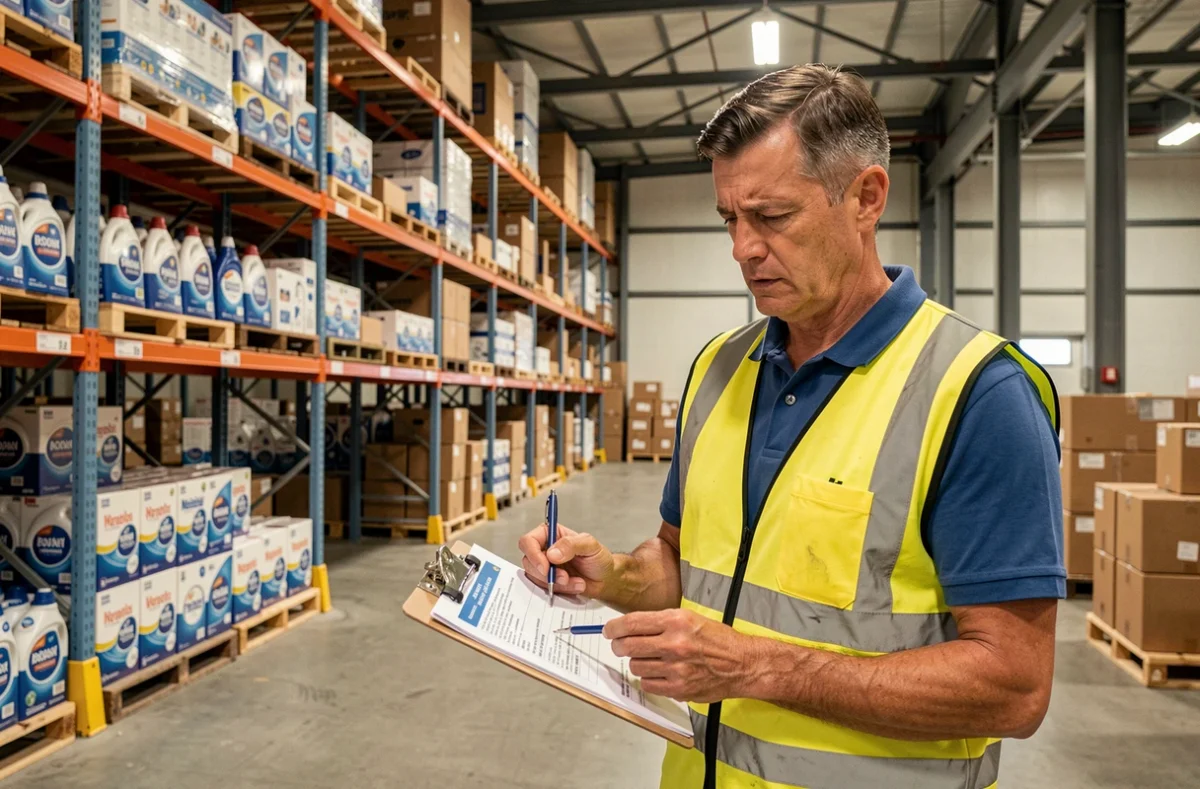
A product experiencing declining sales sees its shelf space reduced. Retailers allocate space to the products that sell best. Less sales mean less shelf space, leading to less visibility, which further exacerbates the decline.
This cycle is not unique to Domestos. All major cleaning product brands are facing the same pressure. The difference is that Domestos occupies a very specific niche (thick bleach for toilets), where substitution by a private label brand is particularly easy for consumers.
Biocide regulation and market entry constraints
A disinfectant is not just a household product. In France, any product claiming bactericidal or virucidal action falls under European biocide regulation. This classification requires evaluation dossiers to be submitted to ANSES before any market availability.
- Each formula (Domestos Original, Domestos Zero Limescale, etc.) requires its own authorization, with a complete technical dossier evaluated by ANSES.
- Even minor changes to the formulation necessitate a new dossier submission. The review period can take several months.
- The sale of professional disinfectants in France now requires a Certibiocide certificate, which alters distribution conditions for certain channels.
These regulatory constraints do not solely cause stockouts. However, they create a bottleneck: when a manufacturer wants to adjust a recipe (to reduce a cost or comply with a new standard), the reformulated product cannot hit the shelves overnight.
Domestos unavailable: real shortage or variable availability
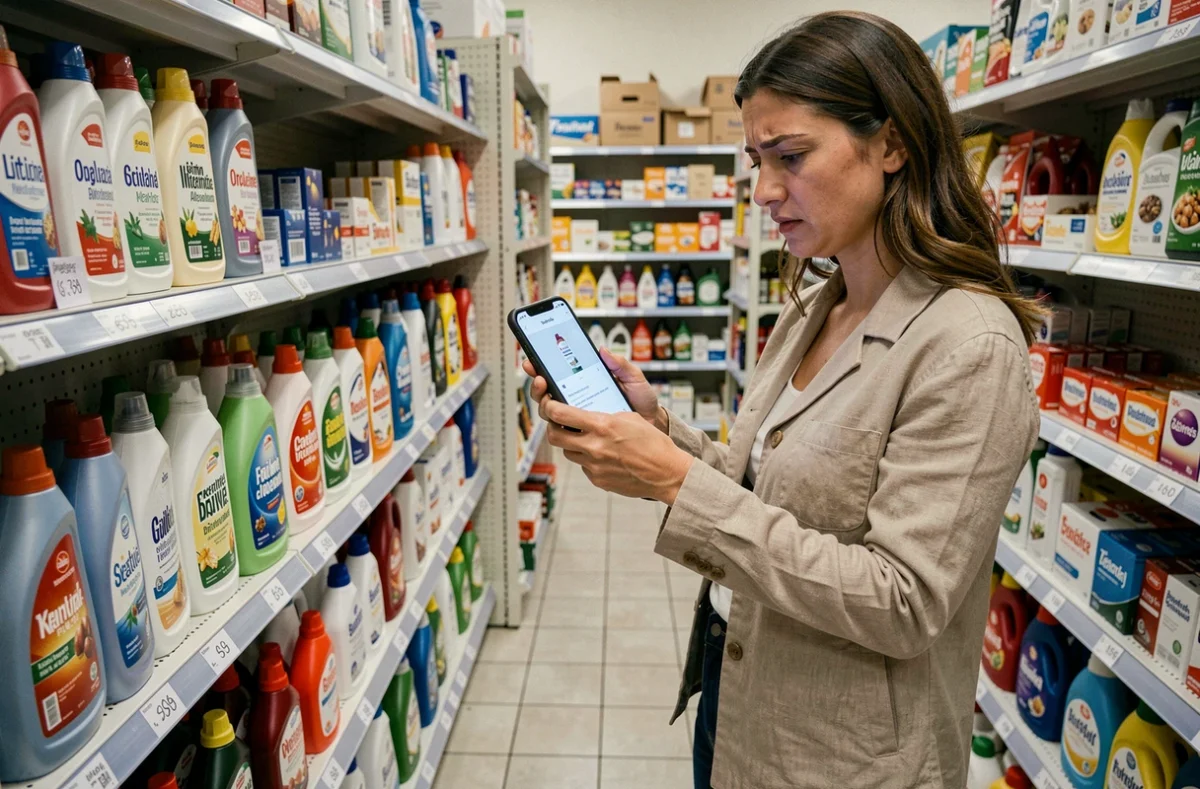
One point deserves to be made clear. No official source confirms a national shortage of Domestos. The episodes of unavailability reported by consumers are more related to variable availability depending on the retailers and regions.
Product sheets from online retailers indicate that Domestos is supplied on demand, with a note that the product may become unavailable at the time of order preparation. This type of operation is common for products with average turnover.
Why the perception of shortage persists
Several mechanisms amplify the perception of a lack:
- A loyal Domestos consumer immediately notices the absence of the product, whereas an occasional buyer may easily switch to an alternative without thinking.
- Social media and forums amplify individual reports, creating a perceived shortage effect that is disproportionate to the reality of national stock.
- The reduction of shelf space makes the product less visible, even when it remains in stock in the backroom or warehouse.
The distinction between local stockouts and structural shortages is fundamental. Pressures on raw materials, inflationary pressure, and regulatory constraints create a favorable environment for occasional stockouts, without meaning that Domestos is disappearing from the French market.
The cleaning products market is undergoing a phase of restructuring. Historic brands like Domestos must contend with rising production costs, stricter regulations, and consumers who scrutinize every euro. The availability of a product on the shelf now depends as much on the economy as on chemistry.