
The criteria for feminine beauty refer to the set of physical characteristics that a society values in women at a given time. These criteria pertain to the face, body, skin, hair, and vary according to eras, geographical areas, and prevailing social norms. Their study reveals both the aesthetic tastes of a group and its power relations, health ideals, and economic structures.
What aesthetic medicine reveals about contemporary beauty standards
The requests made in aesthetic medicine clinics serve as a concrete indicator of the feminine beauty criteria in effect in each region of the world. The areas treated, the technologies used, and the desired results differ by country, and these practices in turn shape local standards.
In Western Europe, practitioners have described since the mid-2010s a demand oriented towards a natural and harmonious beauty. Women prioritize healthy, slightly tanned skin and an athletic body with shapes deemed natural, in contrast to the very thin silhouettes promoted in the 1990s-2000s. Injections aim to restore volume without visible effects, and skin treatments (lasers, peels) seek radiance rather than transformation.
In Southeast Asia, skin clarity remains a criterion directly linked to perceived social status. Very light skin, straight hair, and a slim body are understood as markers of success, fueling a rapidly growing market for whitening products and dermatological procedures. Aesthetic medicine responds with lightening protocols, anti-spot treatments, and smoothing hair care.
This geography of aesthetic practices shows that the criteria for feminine beauty are not just abstract ideas, but realities that translate into technical gestures, budgets, and medical choices. By exploring the criteria for feminine beauty according to Belle et Unique, one can measure the diversity of these standards around the world.
Facial symmetry and feminine traits: biological constants
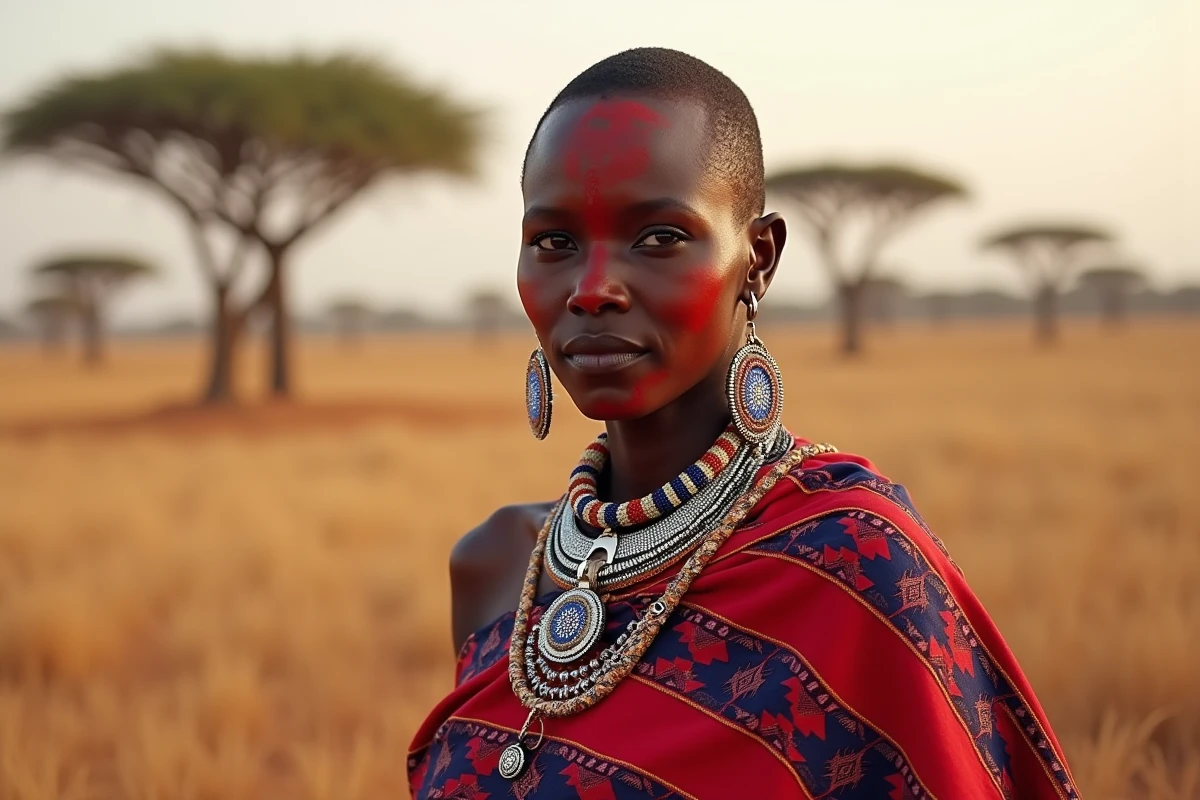
Despite cultural variability, certain physical characteristics recur in most studied societies. Facial symmetry is one of them. It is perceived as a signal of health and genetic stability, regardless of the era or continent.
The traits considered feminine (proportionally fuller lips, finer jawline, prominent cheekbones) form a recurring foundation in descriptions of feminine beauty. These elements relate to sexual differentiation: they signal a higher estrogen level, associated with fertility in most biological frameworks.
The skin also plays a transversal role. Regardless of the valued complexion (light in Asia, tanned in Europe, deep in sub-Saharan Africa), an even skin tone without visible imperfections remains a shared criterion. Makeup, from the early Egyptian powders to current foundations, has always served to smooth skin texture and even out complexion.
- Facial symmetry, measurable by the distance between the eyes, nose, and mouth, constitutes a documented attractiveness factor in several cultures.
- The quality of the skin (texture, uniformity, radiance) transcends all historical periods as a marker of beauty.
- The facial proportions associated with femininity (clear forehead, short chin, full lips) appear in artistic representations from antiquity to the present day.
Female body and silhouette ideal: a criterion in perpetual mutation
The body is undoubtedly the area where beauty criteria vary the most from one era to another. The wide hips and rounded belly of the Venus of Willendorf have nothing in common with the androgynous silhouette of the 1920s, nor with the muscular and toned body valued on current social media.
In medieval Europe, a pale complexion and slender silhouette signaled nobility. Paleness distinguished those who did not work in the sun. During the Renaissance, Flemish and Italian painters celebrated women with more generous forms, a sign of prosperity and good health.
The 20th century accelerated the pace of change. The 1920s promoted a flat silhouette and short hair. The 1950s, with figures like Marilyn Monroe, placed curves back at the center of the feminine ideal. The 1990s shifted towards extreme thinness. Since the 2010s, the dominant trend in the West values an athletic body, with rounded buttocks and a defined waist.
This instability of the body standard produces a concrete effect: each decade generates new demands in surgery and aesthetic medicine, from breast implants to Brazilian Butt Lifts, including liposuction or non-invasive remodeling.
Makeup and hair: culturally situated beauty codes
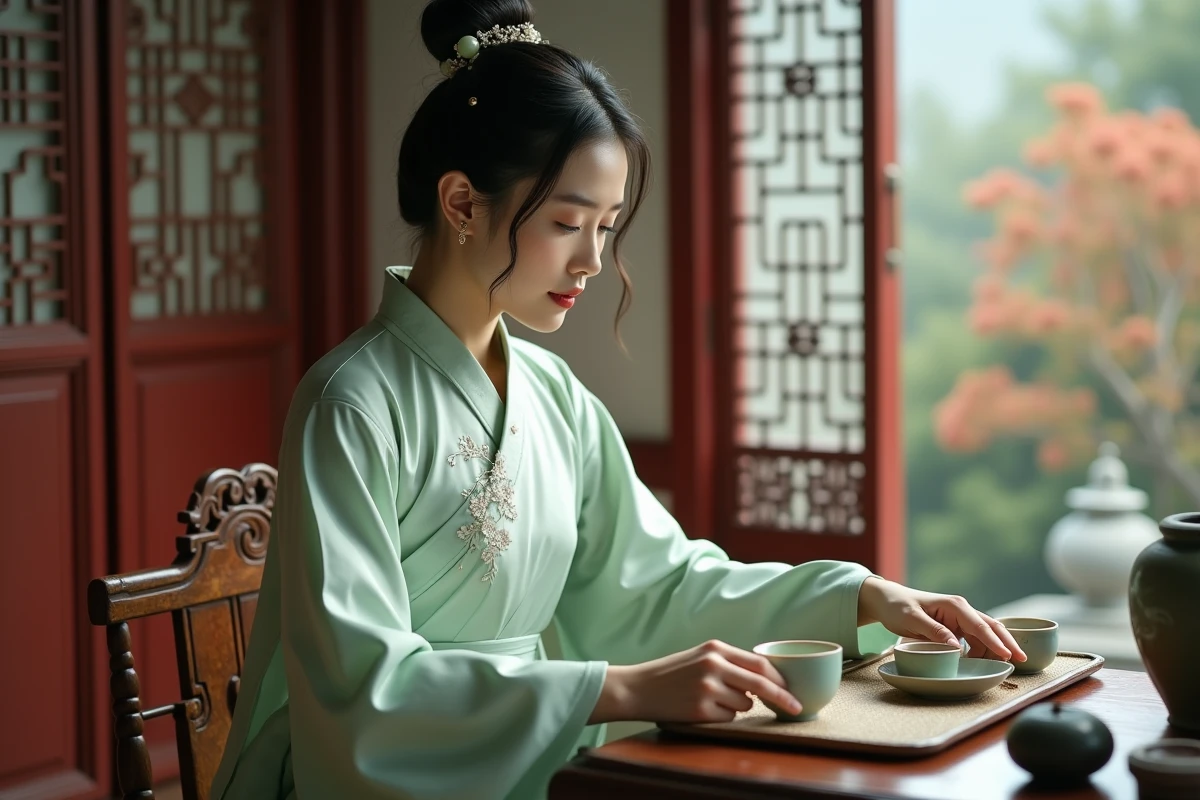
Makeup and hairstyling function as immediate beauty markers, readable without analyzing the face or body. Their role goes beyond mere decoration: they express social status, cultural belonging, and sometimes a political stance.
In ancient Egypt, kohl protected the eyes from the sun while defining an aesthetic ideal. Both women and men used scented oils and henna. In Europe under Louis XIV, powdered wigs and heavily marked makeup (beauty spots, ceruse white) codified aristocratic beauty.
Hair crystallizes strong cultural tensions. Straight hair remains a dominant criterion in Asia and certain Western communities, while the natural hair movement has valued curly and coily textures since the late 2010s. This shift illustrates how a criterion of feminine beauty can be contested and then redefined by a social movement.
- Egyptian kohl, European ceruse white, and Asian rice powders have served comparable aesthetic functions despite radically different compositions.
- Hair length has almost always been associated with femininity, except during periods of cultural rupture (1920s, 1970s punk).
- The relationship to tanning reversed in the West in the 20th century: pale skin, a sign of nobility, gave way to a tan, a sign of leisure and health.
The criteria for feminine beauty never operate in isolation. Each standard reflects an economic system, a relationship to work, and a social hierarchy. Contemporary aesthetic medicine, by making these criteria technically accessible, has added an additional dimension: the standards are no longer just admired, they are purchased, accelerating their diffusion and renewal at an unprecedented pace.