
DIY at home requires much more than just good intentions and a screwdriver. Each home improvement project involves technical choices, sometimes overlooked regulatory constraints, and material management that goes beyond simple purchases at a big box store. Before drilling, sanding, or dismantling, a few realities need to be addressed.
Asbestos Detection Before Work: An Obligation Often Ignored by DIYers
Competitors talk about planning and safety in broad terms. They overlook a specific regulatory point that concerns millions of French homes.
In a property with a building permit issued before July 1, 1997, work such as drilling a wall, sanding a floor, or removing a partition may require a targeted asbestos detection before the project. This detection is distinct from the asbestos diagnosis conducted during a real estate sale. A simple sales diagnosis is not sufficient to cover specific work.
The owner or the client must have this detection carried out by a competent operator even before contracting the work. In practical terms, if you hire a tradesperson to remove a partition in a 1970s apartment, it is your responsibility to provide this detection. A DIYer performing these tasks themselves faces the same health risks as a professional, without the training or appropriate equipment.
Several online resources compile tips and technical guides to frame DIY projects, such as https://www.bricoleurs.net/, which gathers practical advice on various types of domestic work.
Managing Construction Waste at Home: Sorting, Channels, and Traceability
A DIY project generates waste. Debris, wood scraps, paint cans, solvent leftovers: not everything goes into the gray bin or the municipal dump without distinction.
Hazardous waste falls under specific channels with dedicated traceability. Asbestos, solvents, certain paints, used oils, and aerosol cans cannot be mixed with ordinary household waste. Asbestos waste must be directed to an authorized facility, accompanied by a tracking slip.
For an amateur DIYer, this means identifying the nature of each waste before starting the project. Here are a few reflexes to integrate from the preparation phase:
- Check with the local dump which materials are accepted and under what conditions (some refuse large volumes or asbestos materials)
- Systematically separate inert waste (debris, tiles) from hazardous waste (solvents, lead paints, asbestos)
- Keep the packaging of chemical products used to identify their treatment channel
- Plan for separate containers on-site to avoid cross-contamination between inert waste and toxic waste
Field feedback varies on the accessibility of these channels depending on the municipalities. In some rural areas, the nearest dump accepting hazardous waste may be several dozen kilometers away.
Reuse of Materials: A Reflex to Adopt Before Buying New
Reuse is no longer just an optional ecological approach. The REP channel for construction products and materials, operational since May 1, 2023, supports the recovery and reuse of materials. For certain demolition or renovation operations, a PEMD diagnosis (Products, Equipment, Materials, and Waste) must identify reuse or recovery possibilities.
For a DIYer, this translates into a change of method. Before dismantling a door, a floorboard, or sanitary fixtures, the question of reuse arises: can these elements be reused elsewhere in the home, given away, or resold through the second-hand circuits developing in the DIY sector?
Integrating reuse from the preparation of the project also helps reduce the volume of waste to be disposed of and the material budget. A solid oak floor recovered during careful removal often retains good mechanical properties after a simple sanding.
Renting Specialized Tools: Balancing Between Purchase and Occasional Use
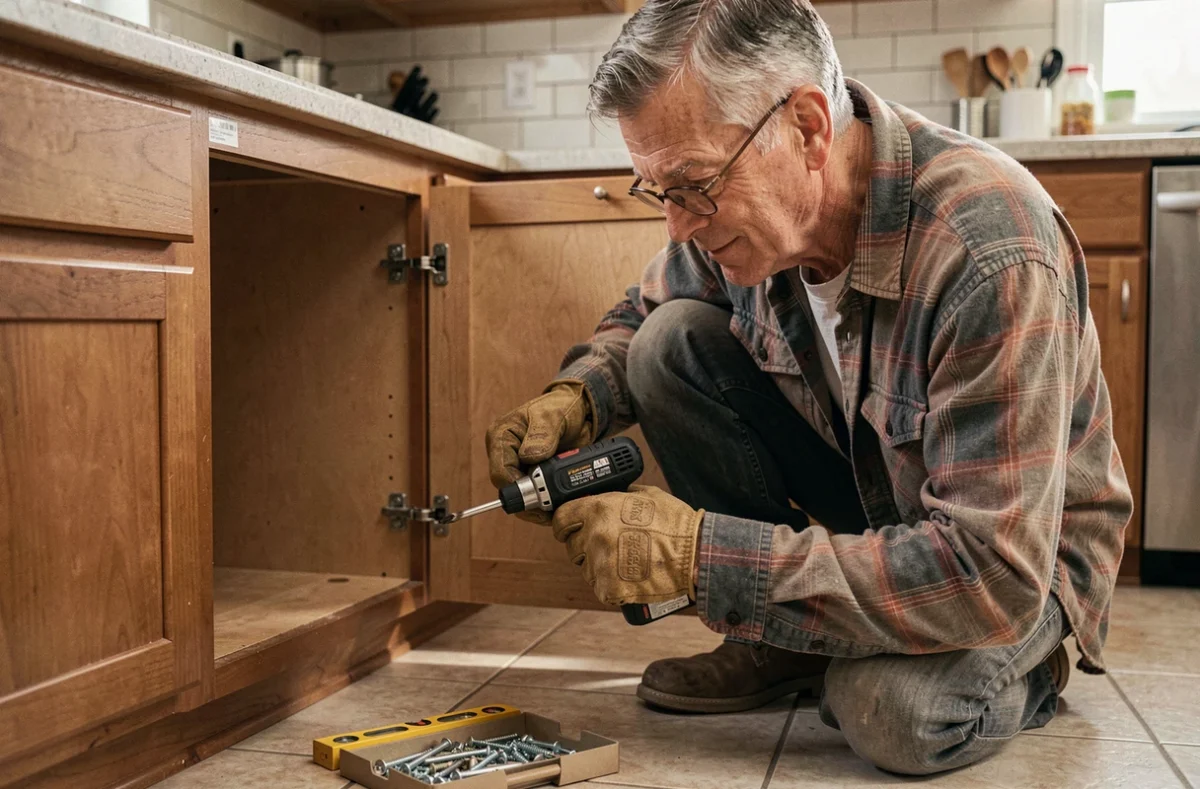
The temptation to buy every tool needed for a project is strong. DIY stores encourage this purchase, with entry-level price ranges accessible. However, renting specialized tools is gaining ground, particularly for machines that are rarely used.
A belt sander, a router, or a hammer drill may only be used once in the life of an amateur DIYer. Buying a low-end tool for one-time use often results in mediocre outcomes and generates an item that ends up at the back of the garage. Renting from individuals or professional rental companies offers access to higher quality equipment for a fraction of the purchase price.
The decision depends on the expected frequency of use. For basic tools (drill-driver, jigsaw, laser level), buying remains relevant as they are used for most domestic projects. For anything that falls under occasional or technical use, renting avoids accumulation and ensures well-maintained and calibrated tools.
Technical Skills and Learning: What Makes the Difference on the Ground
Video tutorials have democratized access to DIY techniques. Learning to lay tiles or assemble a drywall partition is now possible from your couch. The limitation of these resources lies in the gap between filmed demonstrations and the real conditions of a home project.
A wall rarely plumb, a floor never perfectly level, electrical conduits whose layout does not match the theoretical diagram: each project requires adjustments that tutorials do not cover. The ability to improvise a technical solution in the face of an unforeseen circumstance distinguishes an effective DIYer from one who is stuck.
Some brands and associations offer practical in-person workshops, with hands-on tool manipulation and guidance from a professional. This format usefully complements online resources, especially for techniques that require precise gestures (welding, sealing joint installation, plumbing connections).
Domestic DIY is professionalizing in its requirements without all DIYers always being informed. Asbestos detection, waste management, reuse, tool selection: these dimensions transform a simple weekend of work into a structured project. Ignoring them risks both health, finances, and the compliance of one’s home.